
Sections
Urban Infrastructure and Resilience
Left Column
Text Area
Research Focus
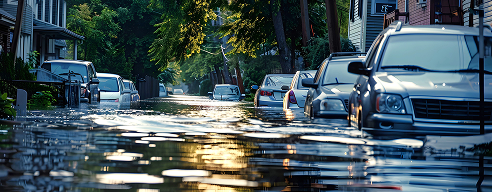
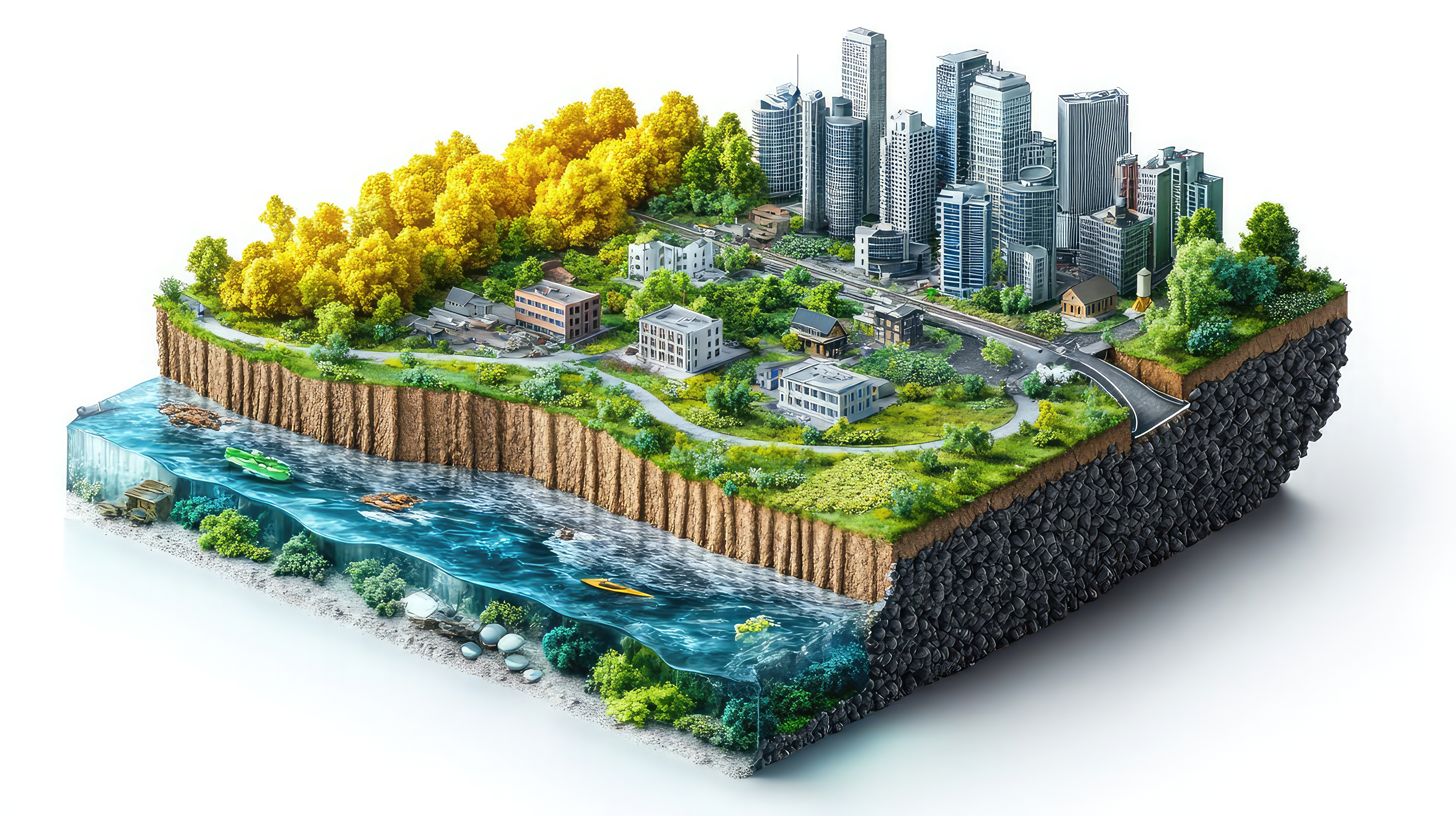
This research direction primarily focuses on long-term changes in the Earth’s climate system and their underlying causes. It includes studying the mechanisms of climate change and the trends and projections of extreme meteorological events—such as typhoons, droughts, floods, and heatwaves—at both regional and global scales, as well as assessing their impacts on urban environments and evaluating the adaptive capacity of vulnerable regions within the country.
Right Column
圖片
Image
Text Area
Key Issues and Challenges Addressed
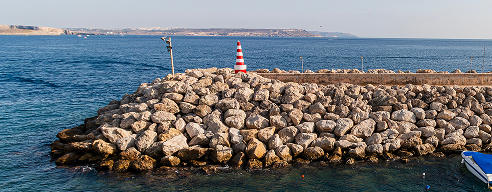
- Traditional coastal protective structures are typically made of concrete. Chloride ions in seawater can corrode the steel reinforcement within the concrete, leading to rust and reduced concrete strength. Additionally, sulfates react with the cement in concrete, causing expansion and cracking.
- Existing urban infrastructure systems operate relatively independently, lacking an integrated design and management system that leverages complementary advantages during disaster prevention and mitigation to address the impacts of different hazards under extreme climate conditions.
- Current evaluations of urban infrastructure resilience lack dynamic quantitative methods that account for the coupled interactions of multiple systems, making it difficult to scientifically assess and optimize the collaborative response capabilities of infrastructure under extreme disaster scenarios.
圖片
Image
DIRECTION LEAD
Image
Prof. Gang WANG
Associate Head Professor
The Hong Kong University of Science and Technology
Department of Civil and Environmental Engineering
Text Area