Sections
Extreme Rainstorm Disasters and Green Prevention
Left Column
Text Area
Research Focus
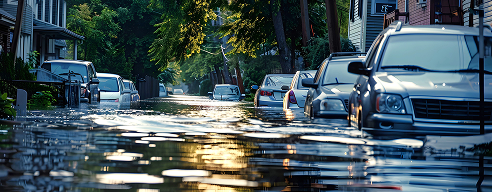
This research direction primarily focuses on developing a comprehensive, multi-scale urban disaster model for heavy rainfall. It aims to develop multi-scale physical models for the interaction between geological hazards and urban environments. Nature-based solutions and urban solid waste integrated barrier systems will be proposed for disaster prevention and mitigation.
Right Column
Image
Image
Text Area
Key Issues and Challenges Addressed
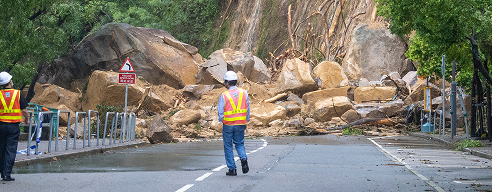
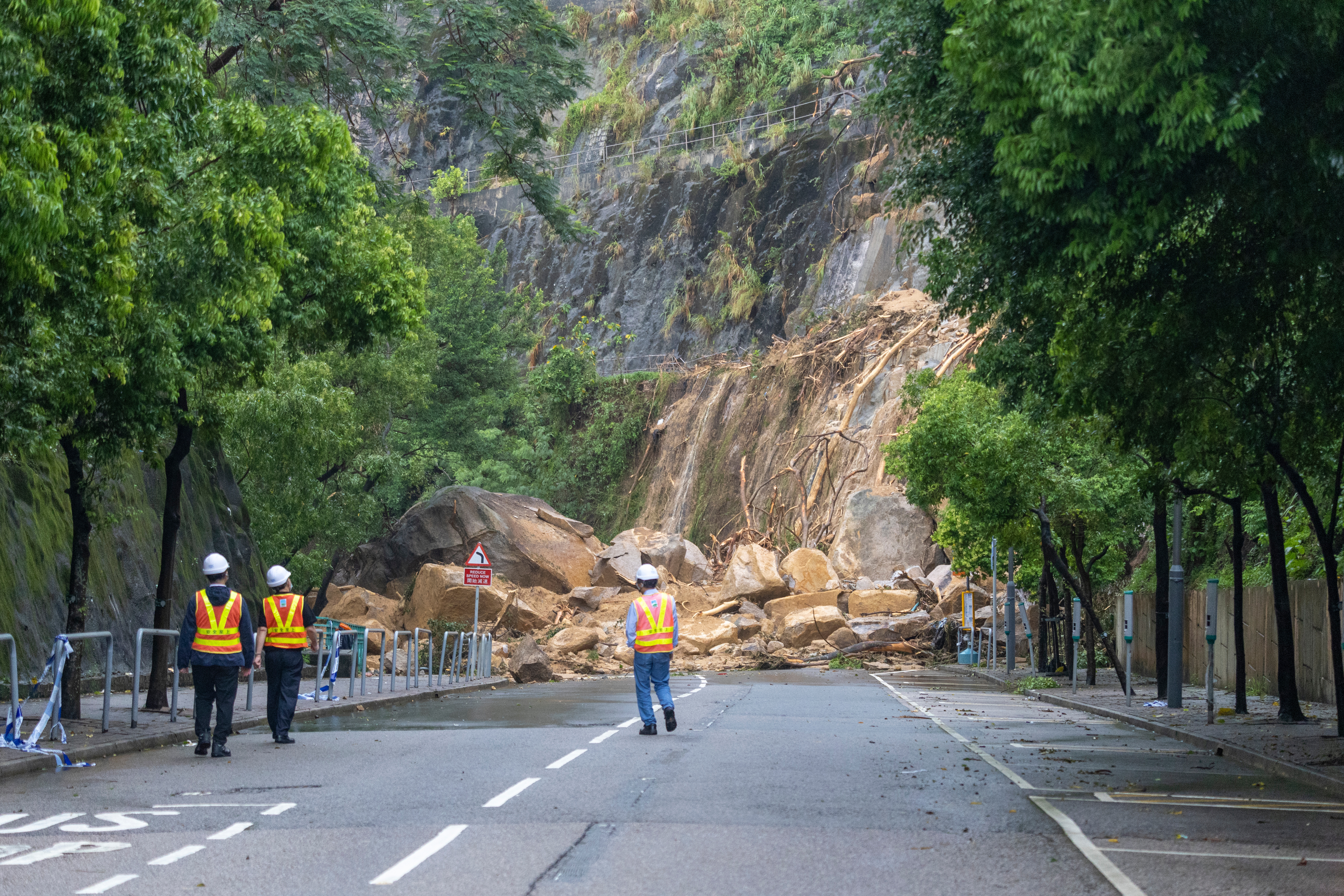
- In practice, landslides, mudslides, and floods are often treated as independent hazards. However, extreme rainfall can trigger these disasters simultaneously, leading to concurrent multi-hazard events in urban areas and potentially inducing secondary disasters. Currently, there is insufficient understanding of the mechanisms of compound geological hazards, and the interactions among multiple hazards remain largely at a qualitative analysis level.
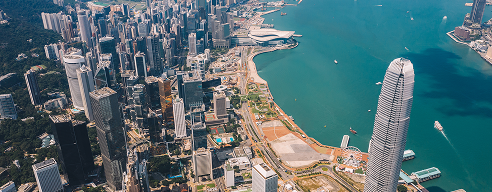
- Urban areas are characterized by dense buildings and complex street networks. The interaction mechanisms between the evolution of compound disasters triggered by extreme rainfall and the intricate urban environment are not yet clear, and methods for identifying major hazard sources are lacking.
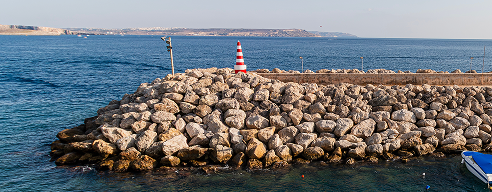
- Existing disaster mitigation measures are often limited to addressing single hazard types or relying on single barrier systems. They overlook the amplification effects of compound disasters and the synergistic interactions of integrated vegetation-engineered barrier systems, lacking a scientific basis for comprehensive hazard management.
Image
Image
DIRECTION LEAD
Image

Prof. Charles W.W. NG
Fellow, Royal Academy of Engineering, UK;
Fellow, Hong Kong Academy of Engineering
Vice-President for Institutional Advancement, CLP Holdings Professor of Sustainability
Text Area