Sections
Urban Compound Disasters and Evolution
Left Column
Text Area
Research Focus
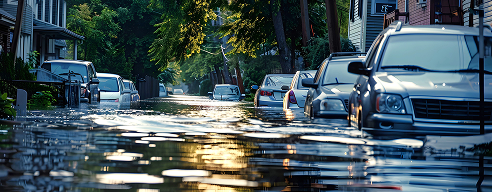
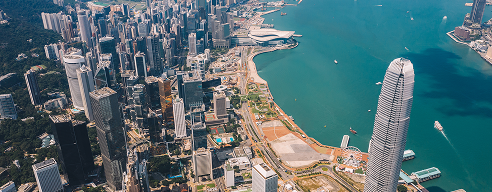
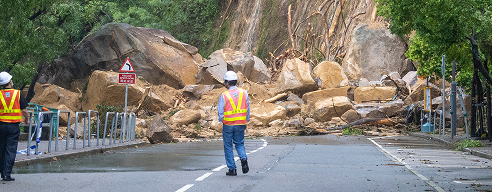
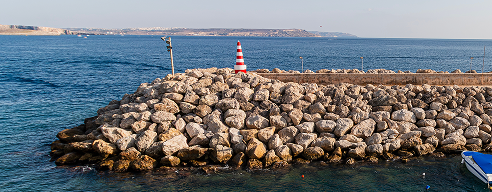
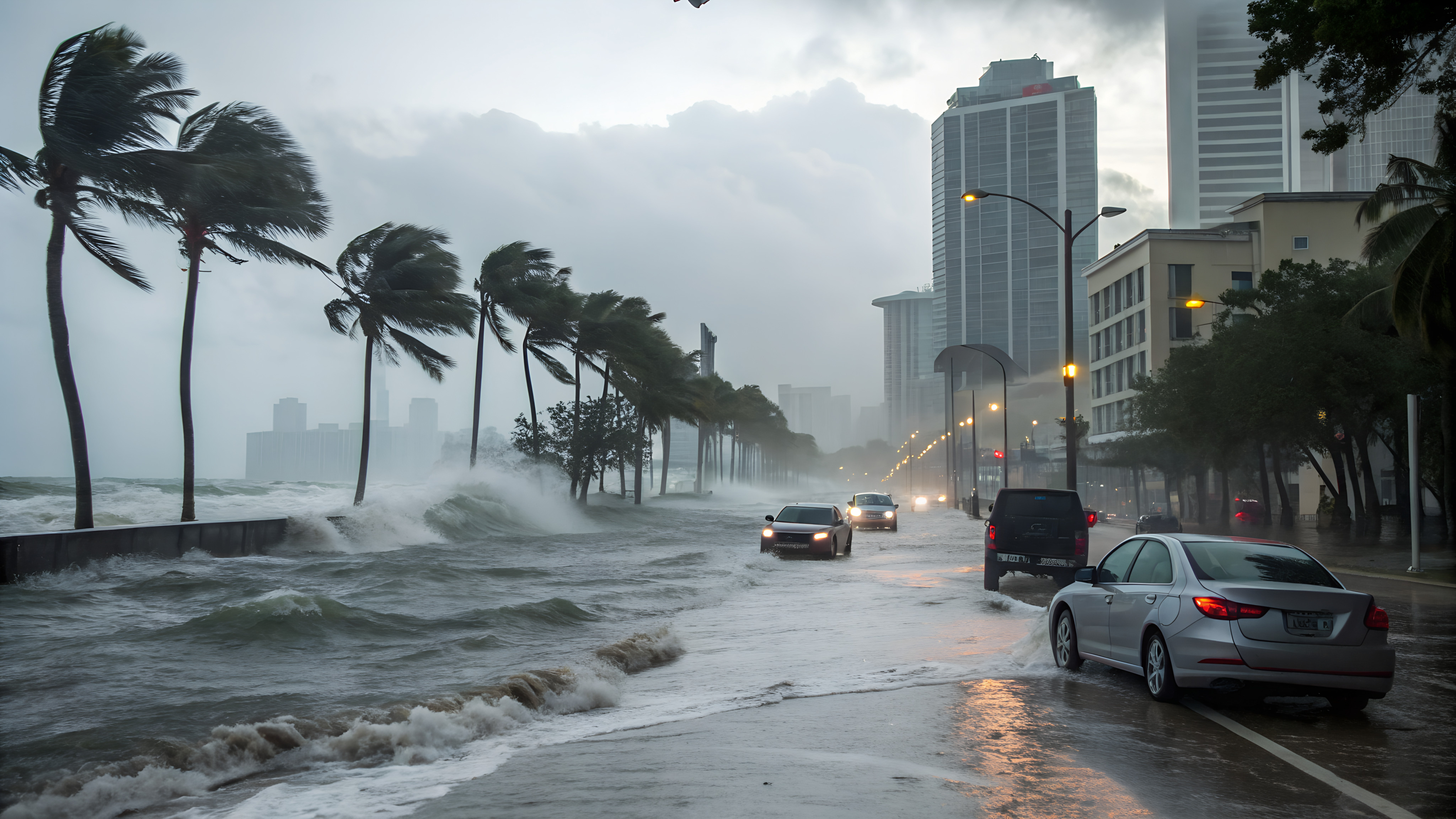
This research direction primarily focuses on understanding and enhancing urban resilience in the face of natural disasters (such as typhoons, tsunamis, floods, landslides, mudslides, droughts, and heatwaves) and anthropogenic hazards (such as environmental pollution, fires, and traffic disruptions), serving the long-term national strategic objectives of building sponge cities and resilient cities.
Right Column
Image
Image
Text Area
Key Issues and Challenges Addressed
- Extreme natural and anthropogenic disasters triggered by climate change in coastal cities are highly complex, involving multiple disciplines such as meteorology, water resources, and urban construction. A comprehensive disaster risk warning and urban disaster resistance assessment system is yet to be established.
- Engineering structures are critical components of cities, yet their design processes rarely account for the uncertainties associated with long-term climate change, posing various risks to both engineering safety and urban resilience. Furthermore, new solutions may introduce new challenges—for instance, the adoption of new energy systems and sustainable materials in urban environments and transportation networks may increase fire hazards, among other issues.
- Under extreme climatic conditions, cities face the threat of compound disasters, which can have multifaceted impacts on urban infrastructure, the economy, and society. Therefore, there is an urgent need for multi-objective optimization and decision-making to minimize disaster impacts and enhance urban resilience.
Image
Image

Text Area